In today’s digital world, businesses no longer rely only on newspapers, television, or radio to reach customers. Most people spend a significant amount of time online, whether they are searching for information, shopping, watching videos, or connecting through social media. This shift has made digital marketing one of the most valuable skills for businesses and individuals.
If you are a student, entrepreneur, freelancer, or someone looking to build a career online, understanding digital marketing is an excellent place to start. In this guide, you’ll learn what digital marketing is, why it matters, its key components, and how you can begin your journey.
What is Digital Marketing?
Digital marketing is the process of promoting products, services, or brands using digital channels such as search engines, websites, social media platforms, email, and mobile applications.
Unlike traditional marketing, digital marketing allows businesses to reach a specific audience, measure campaign performance, and make improvements based on real-time data.
For example, when you search for a product on Google and see sponsored results, watch a brand’s Instagram Reel, receive a promotional email, or notice an advertisement on YouTube, you are experiencing digital marketing.
Why is Digital Marketing Important?
As internet usage continues to grow, businesses of every size need an online presence to remain competitive. Digital marketing helps organizations connect with customers where they spend most of their time—online.
Some of its major advantages include:
- Reaching a global audience
- Lower marketing costs compared to traditional advertising
- Better targeting of potential customers
- Measurable campaign performance
- Higher customer engagement
- Improved brand awareness
- Better return on investment (ROI)
Because of these benefits, companies across industries are investing heavily in digital marketing professionals.
Types of Digital Marketing
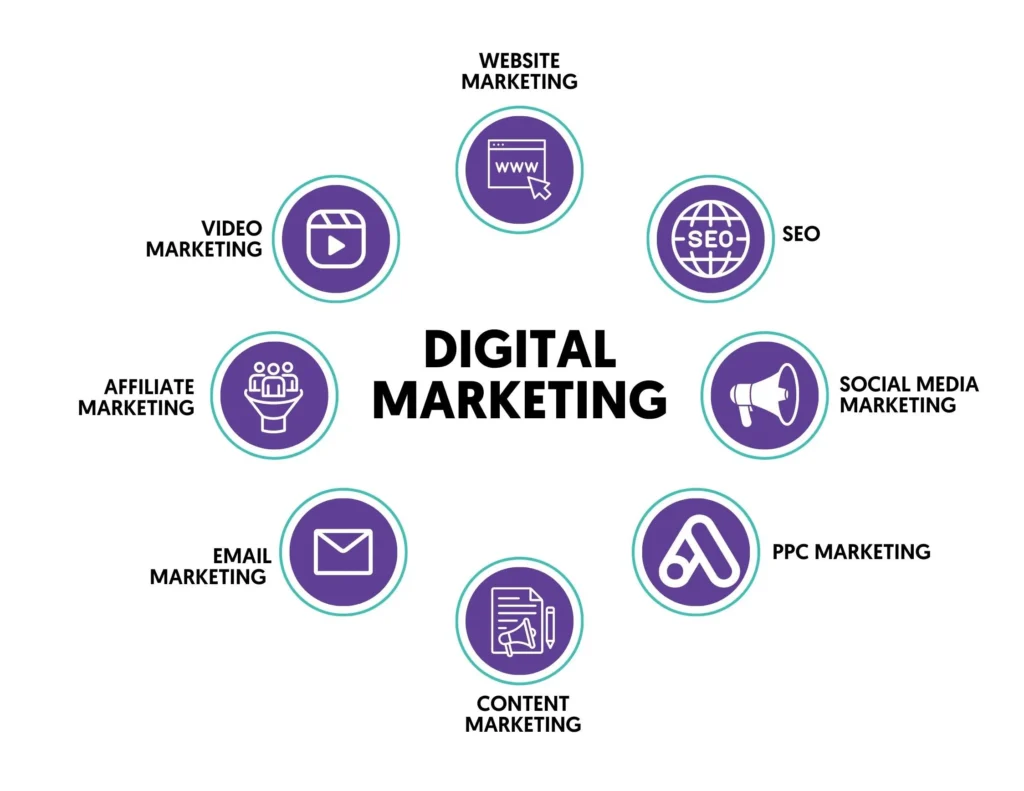
Digital marketing consists of several different strategies, each serving a unique purpose.
1. Search Engine Optimization (SEO)
SEO is the practice of improving a website so it ranks higher in search engine results. Better rankings increase organic traffic without paying for advertisements.
2. Content Marketing
Content marketing focuses on creating valuable content such as blog posts, videos, infographics, and guides that educate or solve problems for users.
3. Social Media Marketing
Platforms like Instagram, Facebook, LinkedIn, X, and YouTube help businesses engage with audiences, build communities, and promote products.
4. Email Marketing
Email marketing involves sending newsletters, offers, and personalized messages to customers to build long-term relationships.
5. Pay-Per-Click (PPC) Advertising
PPC allows businesses to display paid advertisements on search engines or social media platforms. Advertisers only pay when someone clicks on their ad.
6. Affiliate Marketing
Affiliate marketing enables individuals or publishers to earn commissions by promoting another company’s products or services.
7. Influencer Marketing
Brands collaborate with influencers who have established audiences to increase product visibility and trust.
Essential Skills Required in Digital Marketing
A successful digital marketer develops both technical and creative skills. Some of the most valuable skills include:
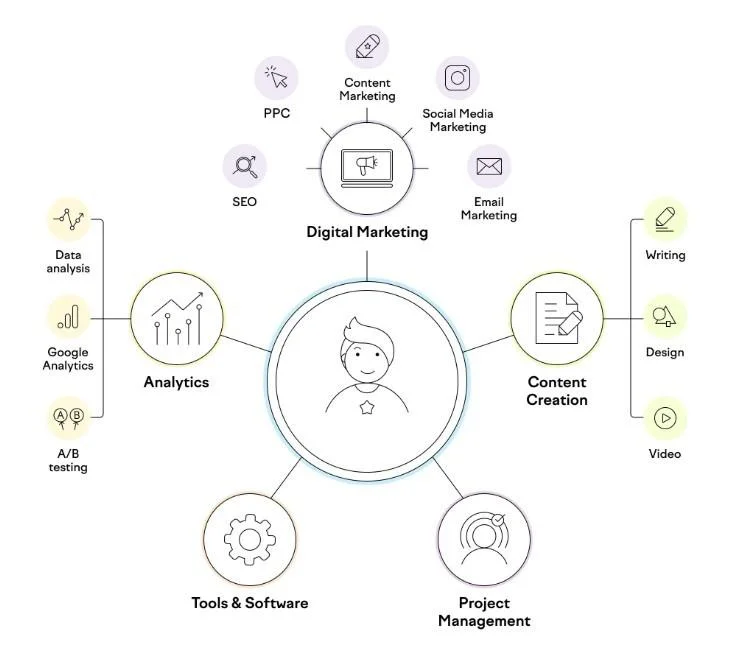
- Search Engine Optimization (SEO)
- Content Writing
- Keyword Research
- Social Media Management
- Email Marketing
- Google Ads
- Analytics and Data Interpretation
- Copywriting
- WordPress Website Management
- Artificial Intelligence (AI) Tools
Continuous learning is essential because digital marketing evolves rapidly.
Benefits of Learning Digital Marketing
Digital marketing is suitable for students, working professionals, freelancers, and business owners alike.
Some key benefits include:
- High demand across industries
- Remote work opportunities
- Freelancing and consulting options
- Better career growth
- Business promotion skills
- Low investment to begin learning
- Opportunity to build a personal brand
Many professionals also use digital marketing to create blogs, YouTube channels, and online businesses.
Career Opportunities in Digital Marketing
Learning digital marketing can lead to a variety of career paths, including:
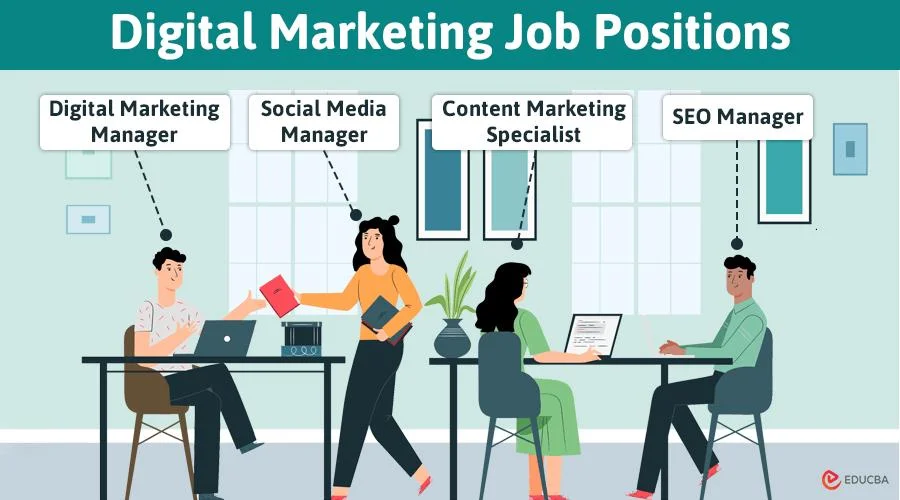
- SEO Executive
- Digital Marketing Executive
- Content Writer
- Social Media Manager
- PPC Specialist
- Email Marketing Executive
- Marketing Analyst
- Performance Marketer
- Freelance Digital Marketer
- Digital Marketing Manager
With experience and practical projects, professionals can advance into leadership roles or start their own agencies.
How Beginners Can Start Learning Digital Marketing
Starting your digital marketing journey doesn’t require a marketing degree. A practical learning approach works best.
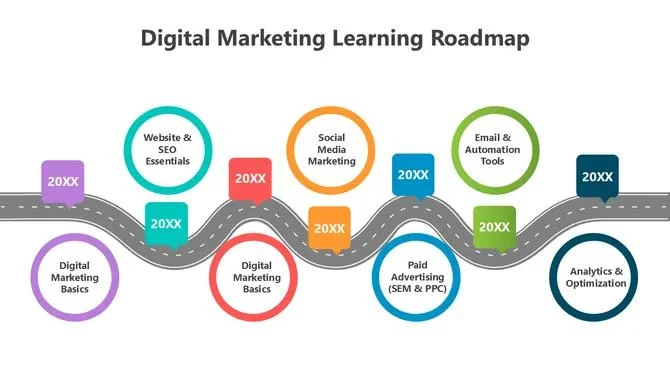
Here are some simple steps:
- Understand the basics of digital marketing.
- Learn SEO fundamentals.
- Explore social media marketing.
- Practice content writing.
- Create a personal website or blog.
- Learn Google Analytics and Search Console.
- Build a portfolio with real projects.
- Stay updated with industry trends and AI tools.
Practical experience is just as important as theoretical knowledge.
Common Beginner Mistakes
Many beginners face similar challenges when starting digital marketing.
Some common mistakes include:
- Expecting quick results
- Ignoring SEO fundamentals
- Publishing inconsistent content
- Not understanding the target audience
- Forgetting to analyze website data
- Using too many marketing tools at once
- Copying competitors instead of creating original content
Avoiding these mistakes can make your learning journey smoother.
The Future of Digital Marketing
Digital marketing continues to evolve with advancements in artificial intelligence, automation, voice search, and data analytics.
Businesses increasingly rely on personalized marketing experiences, AI-powered tools, and customer insights to improve campaign performance. Professionals who continuously update their skills will remain valuable in this growing industry.
Conclusion
Digital marketing has become an essential skill in today’s connected world. Whether you want to grow a business, build a personal brand, or pursue a rewarding career, understanding digital marketing provides countless opportunities.
The best way to learn is through practice. Start by creating your own website, publishing valuable content, experimenting with SEO, and building a portfolio of projects. Every small step you take today will help you develop practical experience and prepare you for future opportunities in the digital marketing industry.